
California Tint Laws: Legal Window Tint Limits & Requirements
December 19, 2025
California tint laws set limits on window tint darkness, reflectivity, and placement to ensure safety, visibility, and lawful vehicle operation. When installed correctly, legal window tint can still provide effective heat rejection, UV protection, and privacy.
This guide from Xtreme Detailing and Ceramic Coatings reflects current California enforcement standards for 2025–2026 and explains how to remain fully compliant.
Key Takeaways
- California tint laws apply to all vehicles, sedans, SUVs, vans, and trucks, with legal limits determined by window position, not vehicle type.
- Front side windows must allow at least 70% VLT, while windshield tint is limited to the top portion above the AS-1 line.
- Rear side and rear windows may use any darkness level, but vehicles with dark rear tint must have dual side mirrors installed.
- Law enforcement measures VLT using electronic meters, testing both factory glass and aftermarket tint together during roadside stops.
- Illegal tint is usually a fix-it ticket, requiring correction rather than punishment, but unresolved violations can lead to higher fines or registration issues.
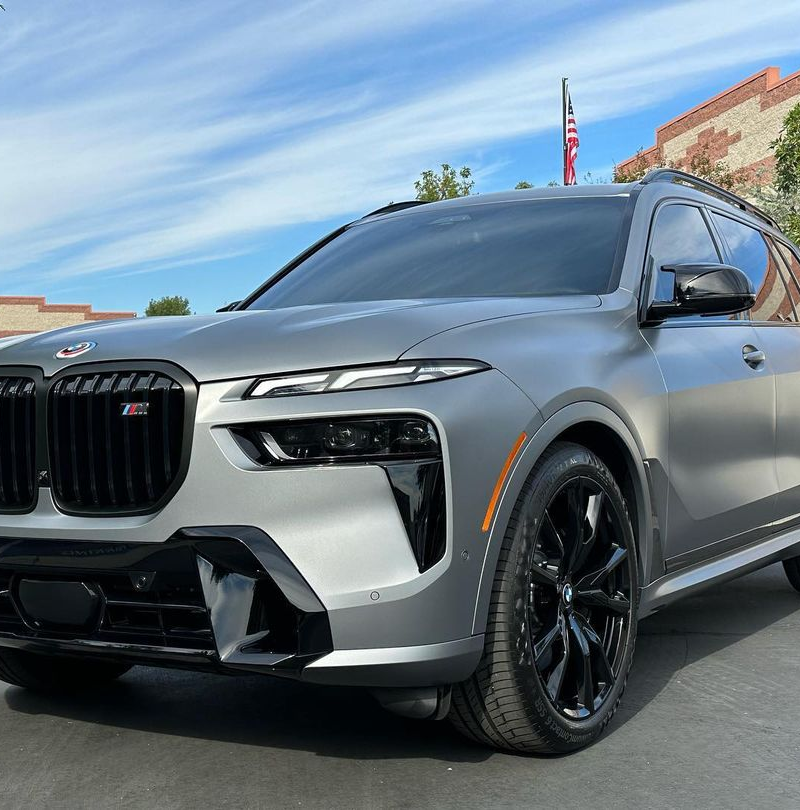
California Tint Laws - What You Need To Know
California tint laws are part of the California Vehicle Code (CVC) and define the legal limits for window tint darkness - measured by Visible Light Transmission (VLT), reflectivity, placement, and color. These laws apply to all registered vehicles in California, including those with factory glass and aftermarket window film. Factory tint and aftermarket tint are measured together during enforcement.
What Is Window Tint and How Is Tint Darkness Measured?
Window tint is a thin film applied to automotive glass to reduce sunlight, heat, and UV exposure. Tint darkness is measured using VLT, which represents the percentage of visible light that passes through the glass and film combined.
- Higher VLT = lighter tint
- Lower VLT = darker tint
Law enforcement uses electronic tint meters to measure VLT during traffic stops.
California Windshield Tint Laws (2025–2026)
California allows limited windshield tinting only.
- Tint may be applied only to the top portion of the windshield
- The tint must not extend below the AS-1 line
- Full windshield tinting is not legal for standard passenger vehicles
Clear or lightly tinted UV-filtering film below the AS-1 line may still fail inspection if it reduces visibility.
California Front Side Window Tint Laws
Front side windows must allow at least 70% VLT.
- This includes factory glass + aftermarket film
- Tint darker than 70% VLT on front windows is illegal
- Enforcement focuses on driver identification and visibility
Even high-quality ceramic tint must meet this minimum light-transmission requirement.
California Rear Side & Rear Window Tint Laws
Rear side windows and the rear window may use any level of darkness.
- No VLT minimum applies to rear windows
- Vehicles with dark rear tint must have both side mirrors installed
- Privacy tint is legal for SUVs, sedans, and vans alike
These rules are identical across vehicle types.
Tint Reflection Rules In California
California restricts mirrored or highly reflective tint.
- Metallic or mirror-like films that reflect excessive light are prohibited
- Reflectivity is evaluated separately from VLT
- Highly reflective tint may result in a citation even if VLT appears legal
Non-reflective ceramic and carbon films are safest for compliance.
Illegal Tint Colors In California
3 tint colors are not legal in California:
- Red
- Blue
- Amber
These colors are considered decorative or distracting and interfere with visibility and emergency recognition.
Does California Tint Law Differ For Sedans, SUVs, and Vans?
No. California tint laws do not differ based on the type of vehicle.
The same window tint regulations apply to sedans, SUVs, vans, and trucks. Under California law, window tint is classified as a vehicle modification, not a vehicle class distinction. Legal requirements are determined only by window position, such as the windshield, front side windows, or rear windows, not by the body style of the vehicle.
Additional California Tint Law Requirements
Additional California tint requirements extend beyond simple darkness limits. Some window films include a protective or safety layer designed to improve shatter resistance and reduce glass fragmentation during an accident. While these safety features can enhance occupant protection, the tint must still comply with all visibility and VLT requirements. Safety or security films do not exempt a vehicle from California’s window tint laws.
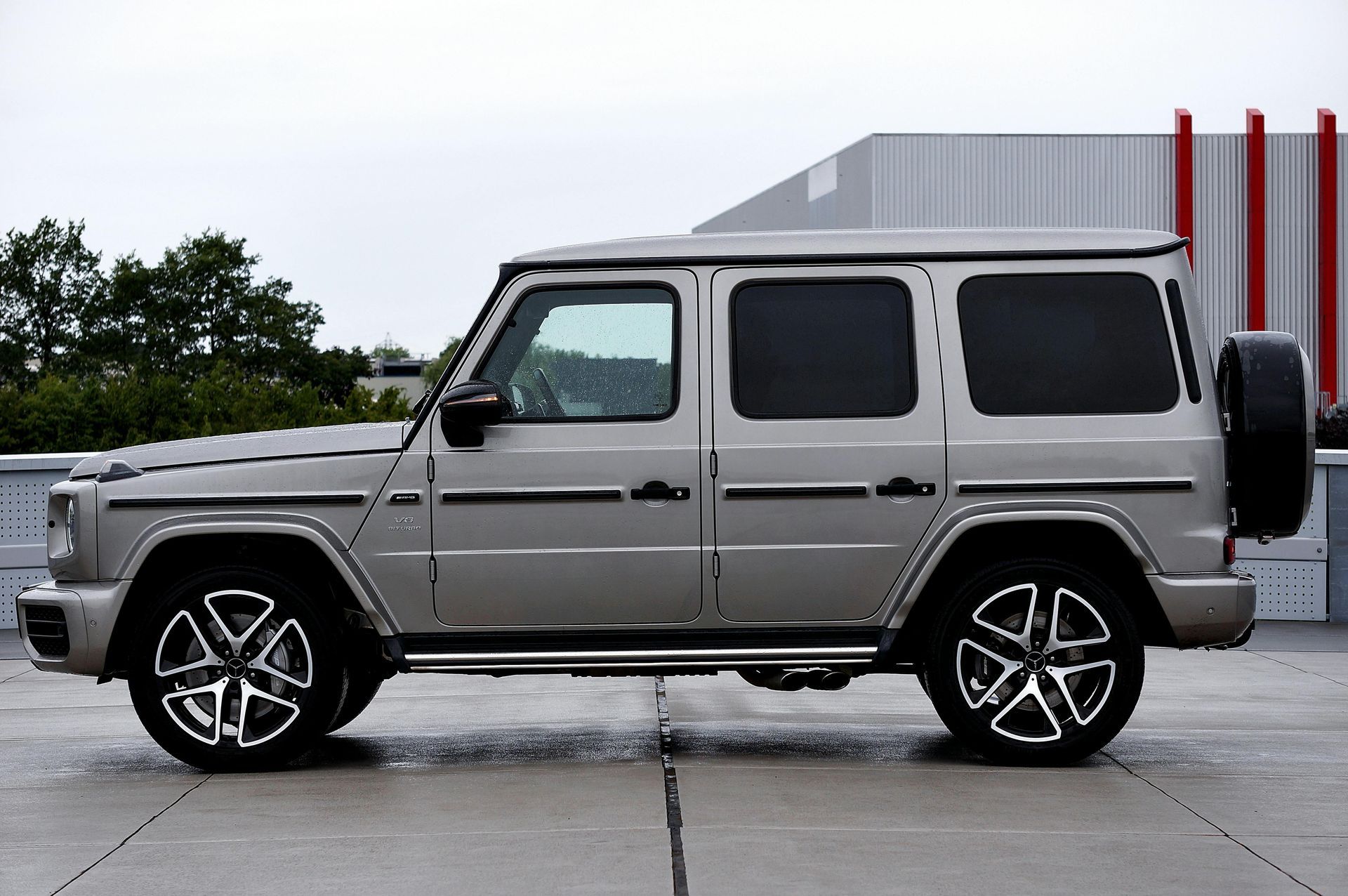
How Does Law Enforcement In California Measure Window Tint?
In California, police measure window tint using handheld electronic VLT meters during traffic stops.
- Measurement includes both the glass and the tint film
- Testing is conducted roadside
- Results determine immediate legal compliance
- Tint that measures below California’s legal limits may result in a citation, even if the glass is factory-tinted
Medical Exemptions To California Tint Laws
California allows medical exemptions for additional tint under specific conditions.
- Documentation must be carried in the vehicle
- Exemptions do not allow full windshield tint
- Law enforcement may verify documentation validity
- Exemptions apply only to specific windows and conditions
What Are The Penalties For Illegal Tint In California?
In California, illegal window tint is typically treated as a correctable offense, rather than a severe punishment. Most cases begin with a fix-it ticket under Vehicle Code §26708, allowing drivers to restore compliance.
Initial Penalty: Fix-It Ticket
- Drivers are typically required to remove or correct the illegal tint within a set time frame (commonly about 30 days)
- The vehicle must be inspected and signed off by law enforcement or an authorized inspection station
- After proof of correction, the penalty is usually reduced to a small administrative fee (often around $25) (*)
At this stage, enforcement focuses on restoring visibility and legal compliance, not punishment.
(*) According to California Courts – Traffic Tickets: Correctable Violations.
What Happens If the Tint Is Not Fixed?
- The violation may escalate to a civil infraction, with fines up to approximately $197
- Repeated or ignored violations may be treated more seriously by the court
- In rare cases, unresolved violations can lead to registration issues or additional legal consequences
Pros And Cons Of Tinting Your Car In California
Pros
- Reduces interior heat
- Blocks harmful UV rays
- Improves comfort and privacy
Cons
- Strict enforcement
- Limited front-window options
- Risk of reinstallation costs if non-compliant
Legal tint balances performance with compliance.
Choosing Legal Window Tint In CA (2025–2026)
The safest options include:
- Ceramic Window Tint - offers very high rejection of heat and has very low reflectivity
- Carbon Window Tint - has a consistent color with no metallic properties
These films will provide heat and UV protection while ensuring that your installation meets all legal VLT requirements, if done properly.
Why Professional Installation Matters
Professional window tint installation ensures:
- Accurate VLT verification
- Proper placement and film selection
- Reduced enforcement risk
- Long-term durability
Installers should verify compliance using law-enforcement-grade tint meters before delivery.
Schedule a Legal Window Tint Consultation Today
Applying window tint in California requires strict compliance with state tint laws. At Xtreme Detailing & Ceramic Coatings, our professional consultation ensures your window tint meets CA law window tint requirements before installation. Book your legal window tint installation today!