
How Long Does PPF Last? A Complete Lifespan & Maintenance Guide
January 26, 2026
Paint protection film (PPF) typically lasts between 5 and 10 years, depending on film quality, installation, climate exposure, and maintenance habits. For vehicle owners considering long-term paint protection, understanding how long PPF lasts and what affects its durability is essential for protecting both appearance and resale value.
In this guide, Xtreme Detailing and Ceramic Coatings breaks down how long paint protection film lasts, what factors affect its durability, how to care for it properly, and when replacement becomes necessary - especially for drivers facing harsh sun exposure and real-world road conditions.
Key Takeaways
- PPF typically lasts 5–10 years when professionally installed and properly maintained.
- High-quality films protect against rock chips, scratches, UV damage, and paint fading.
- Climate, driving habits, film quality, and maintenance routines directly affect longevity.
- Proper washing and care extend clarity, adhesion, and protective performance.
- PPF delivers strong long-term ROI by preserving factory paint and resale value.
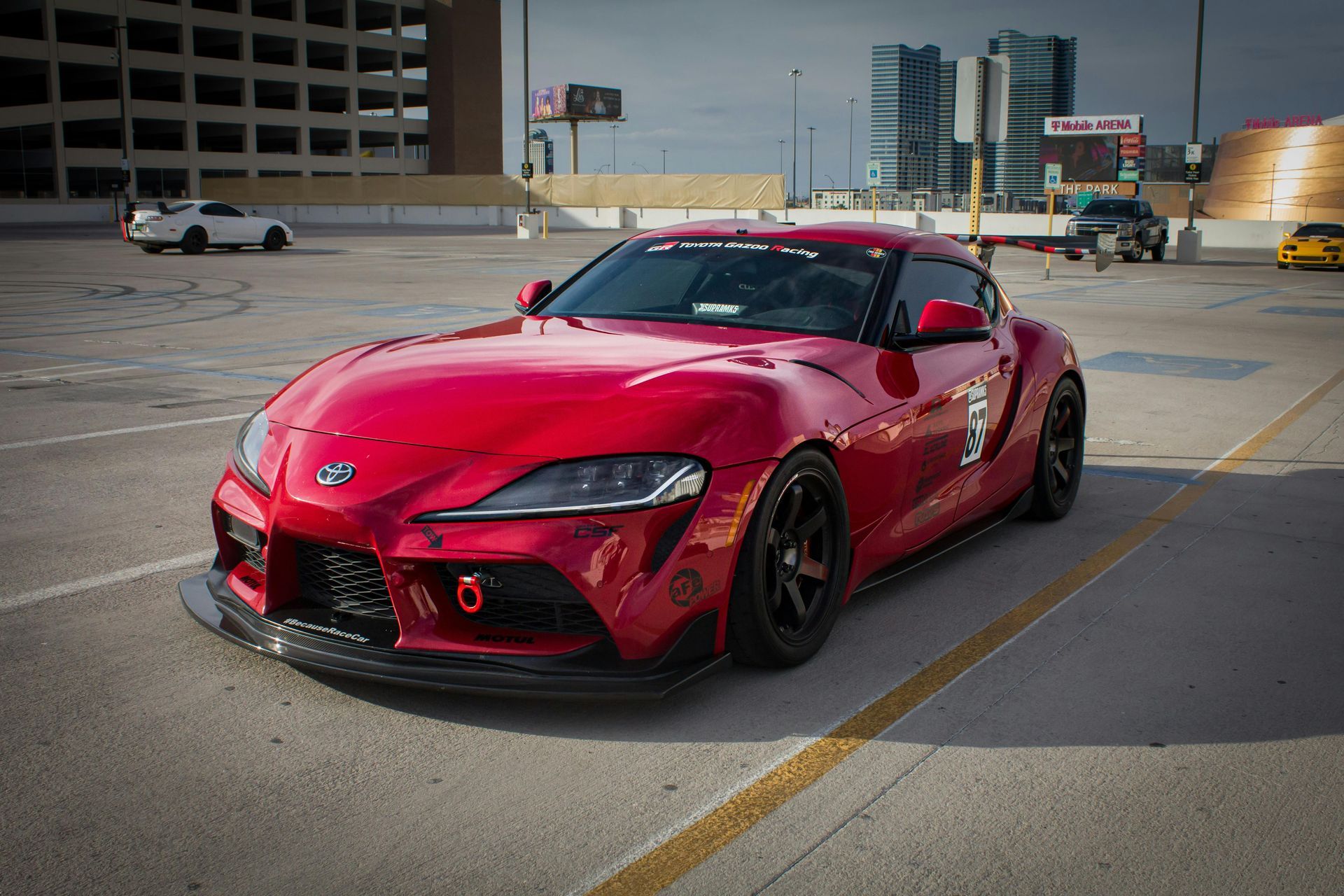
What Is Car PPF?
Paint protection film (PPF), often referred to as a clear bra, is a transparent, durable urethane film applied to a vehicle’s painted surfaces. It is designed to protect the car’s finish by acting as a sacrificial layer that absorbs physical impacts and environmental exposure before they can damage the factory paint.
Common areas where PPF is applied include:
- Front bumpers
- Hoods
- Fenders
- Side mirrors
- Door edges
- Headlights
Modern PPF is optically clear and engineered to blend seamlessly with your vehicle’s paint while delivering long-term, invisible protection.
How Long Does Paint Protection Film Last?
When professionally installed and properly maintained, high-quality paint protection film typically lasts between 5 and 10 years. The actual lifespan of PPF can vary depending on several key factors, including driving conditions, environmental exposure, and maintenance habits.
Factors That Affect PPF Lifespan
Film Quality & Installation
Not all PPF is created equal. Premium films feature advanced, multi-layer construction, including:
- Self-healing top coats that repair light scratches with heat
- UV inhibitors that prevent yellowing and oxidation
- Hydrophobic layers that repel dirt, water, and contaminants
Lower-quality films often lack these features, leading to faster hazing, cracking, or adhesive failure.
Environmental Exposure
Environmental conditions play a major role in how long PPF lasts on a car:
- High-UV regions accelerate aging and discoloration
- Extreme heat stresses adhesives
- Road salt and chemical exposure shorten lifespan
Vehicles that are garage-kept or regularly parked in shaded areas often achieve the upper end of the 8–10 year range.
Driving & Road Conditions
How and where you drive directly impacts wear:
- Highway driving increases rock chip exposure
- Gravel, construction zones, and poor roads increase abrasion
While PPF excels in these environments, heavy exposure may require earlier replacement on high-impact zones like bumpers.
Maintenance & Washing Habits
Improper care is one of the most common reasons PPF fails prematurely.
Best practices include:
- Hand washing with pH-neutral soap
- Using clean microfiber towels only
- Avoiding abrasive sponges or harsh chemicals
- Skipping brush-style automatic car washes
Poor washing habits reduce clarity, wear down the top coat, and can lift edges over time.
How To Extend The Lifespan Of Your PPF
With proper care, PPF can maintain its clarity and performance for many years. Recommended maintenance includes:
- Surface Inspection – Regularly check for lifted edges or contamination.
- Polishing – Light polishing removes surface residues without damaging the film.
- Buffing – Gentle buffing restores clarity and smoothness.
- Paint Sealing – Sealing reinforces the top coat and boosts the hydrophobic layer.
When performing any maintenance, use PPF-safe products and follow manufacturer guidelines to avoid damaging the film.
PPF Vs. Other Paint Protection Options
| Protection Type | Average Lifespan | Impact Protection |
|---|---|---|
| Wax / Sealant | 2–6 months | None |
| Ceramic Coating | 2–5 years | Minimal |
| Paint Protection Film | 5–10 years | High |
Unlike waxes or ceramic coatings, PPF physically absorbs impacts, making it the only solution that reliably protects against rock chips and road debris.
Signs It’s Time to Replace or Remove PPF
Even premium paint protection film will eventually wear out. Signs that replacement may be needed include:
- Yellowing or haziness that cannot be corrected
- Cracking or brittleness
- Edge lifting or adhesive failure
- Visible discoloration from long-term exposure
Old or damaged PPF should always be removed by trained professionals to avoid damaging the underlying paint.
Is Paint Protection Film Worth It Long-Term?
Absolutely. PPF is one of the most cost-effective vehicle protection solutions available. While the upfront PPF cost may seem high, it can prevent thousands in repainting and repair costs down the line.
Long-term benefits include:
- Preserved factory paint condition
- Higher resale or trade-in value
- Reduced need for paint correction
- Ideal protection for luxury, performance, and collector vehicles
Many vehicle owners report that after years of daily driving, their paint still looks nearly factory-new once the film is removed.
Get Professional PPF Installation Near Me Today
At Xtreme Detailing and Ceramic Coatings, we specialize in precision paint protection film installation tailored to your vehicle, driving habits, and local conditions. Our trained technicians use premium-grade films and advanced installation techniques to deliver flawless coverage, long-lasting durability, and crystal-clear results.
Book your PPF installation today in Rancho Cucamonga and protect your vehicle with industry-leading expertise.