
Does Window Tint Go On Inside Or Outside? (Full Guide)
March 24, 2026
Window tint is installed on the inside of car windows - not the outside - because interior placement protects the film and ensures long-term durability. It also improves heat rejection and UV protection compared to exterior installation.
This guide from Xtreme Detailing explains “does window tint go on inside or outside”, by showing how proper installation improves durability, safety, and overall performance.
Key Takeaways
- Window tint is always installed on the inside of car windows because interior placement protects the film and ensures long-term performance.
- Interior tint provides stronger heat control, sun protection, and glare reduction, improving comfort and visibility while driving.
- Installing tint on the outside leads to faster damage, including peeling, bubbling, and reduced effectiveness.
- High-quality window tint can last 5 to 10 years, especially when properly installed and maintained.
- Professional installation delivers better durability, safety, and overall results, making it the most reliable option for long-term use.
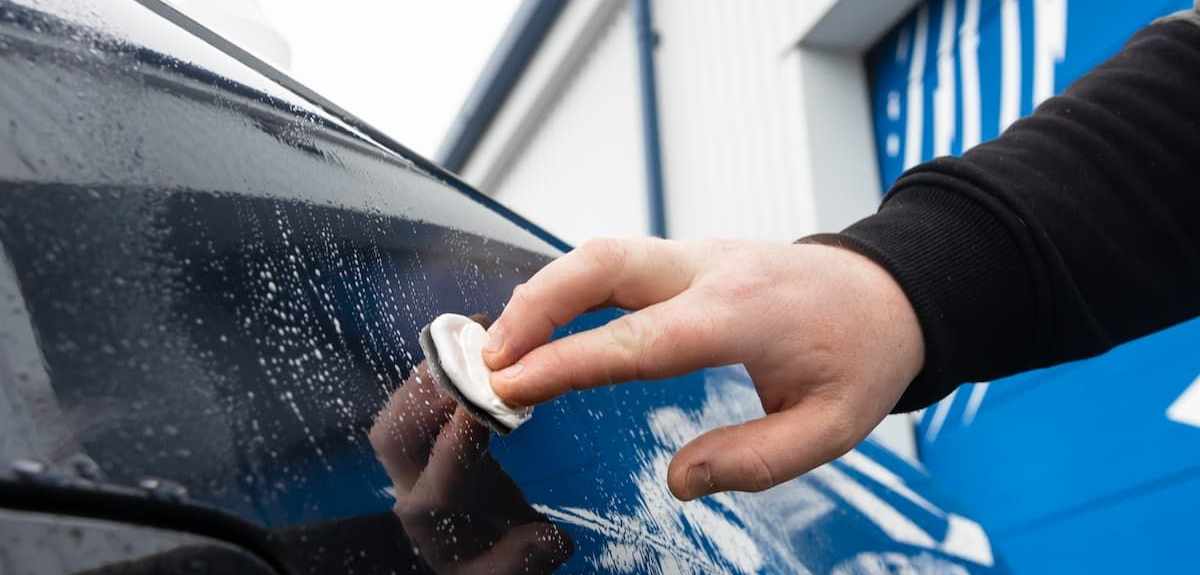
Does Window Tint Go On The Inside Or Outside Of Car Windows?
Window tint is installed on the inside of car windows because the interior surface provides a stable and protected environment for proper adhesion.
Modern automotive tint films are specifically engineered for interior installation, which is why exterior placement fails quickly.
This placement improves heat rejection, enhances UV protection, and ensures consistent glare reduction. Exterior installation exposes the film to moisture, friction, and environmental damage, which significantly reduces performance and lifespan.
Why Window Tint Is Applied On The Inside Of Glass
Window tint is applied on the inside of the glass to protect both the film and the vehicle interior.
Interior placement shields the film from weather, dirt, and abrasion, improving durability and long-term performance. It also maximizes UV protection, with high-quality films blocking up to 99% of harmful rays.
In addition, interior tint improves safety by helping hold shattered glass together during impact. It also enhances heat control by reducing solar heat gain inside the vehicle.
Inside Vs Outside Window Tint: Key Differences Explained
| Attribute | Inside Tint | Outside Tint |
|---|---|---|
| Durability | Protected by glass (interior protection) | Exposed to damage |
| UV Rejection | Up to 99% (sun protection) | Reduced effectiveness |
| Heat Rejection | Stable (heat control) | Inconsistent |
| Glare Reduction | Reliable (glare reduction) | Fluctuates |
| Safety Impact | Reinforces glass (safety and security) | No reinforcement |
Because of these differences, interior tint consistently delivers better long-term performance, durability, and safety.
What Happens If Window Tint Is Installed on the Outside?
Exterior window tint fails quickly because it is directly exposed to environmental damage. Rain, dust, and cleaning friction weaken the adhesive layer, leading to peeling, bubbling, and rapid performance loss.
As the film degrades, it loses its ability to provide heat control, UV protection, and safety benefits. This also reduces interior protection and shortens the lifespan of the tint.
Are There Any Situations Where Tint Goes on the Outside?
Exterior window tint is used only in limited non-automotive applications because these surfaces do not face the same stress, curvature, and movement as vehicle windows.
For example, building glass may use external films for temporary privacy or solar reflection. However, these conditions differ from vehicles, where curved glass, constant motion, and environmental exposure require interior installation.
For cars, window tint is always installed on the inside.
The Science Behind Window Tint: How It Works On Glass
Window tint works by filtering different types of solar energy, including ultraviolet (UV), infrared (IR), and visible light, using multi-layer film technology.
It blocks UV rays for sun protection, reflects infrared heat for temperature control, and reduces brightness for glare reduction. This combination improves driving comfort and reduces heat buildup inside the vehicle.
How Window Tint Blocks UV Rays, Heat, And Glare
Window tint blocks solar energy through layered material technology:
- Up to 99% UV rejection for sun protection
- 40 to 60% heat rejection for improved heat control
- Reduced brightness for effective glare reduction
These combined effects help maintain a cooler and more stable interior environment.
Types Of Window Tint Films (Ceramic, Carbon, Dyed)
| Film Type | UV Protection | Heat Rejection | Durability | Cost | Key Benefit |
|---|---|---|---|---|---|
| Ceramic | Up to 99% | Up to 60% | 10+ years | $$$ | Best performance |
| Carbon | ~95% | 40 to 50% | 5 to 8 years | $$ | Balanced option |
| Heat Rejection | 50 to 70% | 20 to 30% | 2 to 5 years | $ | Budget-friendly |
Ceramic films also improve durability and provide the highest level of heat rejection and UV protection.
Step-by-Step Window Tint Installation Process
Professional automotive tinting follows a structured process.
- Clean the glass thoroughly to remove dust, oils, and residues
- Measure and cut the film precisely to match each window
- Apply the film carefully to the interior surface
- Remove air bubbles using proper tools
- Allow the film to cure fully for strong adhesion
This process ensures proper bonding, long-term durability, and consistent performance.
Benefits Of Interior Window Tint Installation
Interior tint provides multiple benefits because it operates in a protected environment.
- Blocks harmful UV rays for strong sun protection
- Reduces cabin temperature through effective heat control
- Minimizes brightness for better glare reduction
- Enhances privacy inside the vehicle
- Prevents fading and cracking through interior protection
- Improves fuel efficiency through reduced AC usage
- Enhances appearance for a cleaner, modern look
- Reinforces glass for improved safety and security
Together, these benefits make interior window tint a valuable upgrade for both protection and comfort.
Common Window Tint Installation Mistakes To Avoid
Installation mistakes reduce both performance and lifespan.
For example, installing tint on the outside leads to rapid damage and significantly reduces durability and effectiveness. Using low-quality film also limits heat control and UV protection.
Poor surface preparation affects adhesion, reducing interior protection.
Another common mistake involves ignoring curing time. Understanding when to roll down windows after tinting is essential because lowering the windows too early can disrupt the bonding process and damage the film.
How Long Does Window Tint Last Inside Vs Outside?
Interior window tint lasts significantly longer because it is protected from external conditions.
High-quality films can last 5 to 10 years, maintaining stable thermal performance, consistent surface protection, and reliable safety benefits.
Exterior tint, in contrast, often fails within months due to constant exposure to weather and abrasion.
DIY Vs Professional Window Tint Installation: Which Is Better?
Choosing between DIY and professional window tint installation depends on your priorities, including cost, quality, and long-term performance.
| Factor | DIY Window Tint | Professional Window Tint |
|---|---|---|
| Cost | Lower upfront cost | Higher initial investment |
| Installation Quality | Inconsistent results | Precise, clean application |
| Risk of Errors | High (bubbles, creases, misalignment) | Minimal due to experience |
| Durability | Shorter lifespan | Long-lasting performance |
| Adhesion | Often uneven | Strong, uniform bonding |
| Tools & Equipment | Limited or basic tools | Professional-grade tools |
| Time Required | Several hours (trial and error) | Faster and more efficient process |
| Interior Protection | Less reliable | Strong and consistent |
| Safety and Security | Reduced due to poor application | Enhanced with proper installation |
While DIY may reduce upfront cost, professional installation provides better durability, stronger adhesion, and more reliable long-term performance.
How Much Does Window Tint Cost? (Interior Vs Exterior)
Window tint pricing depends on film type, performance level, and installation quality.
- Dyed film: $100 to $250
- Carbon film: $250 to $500
- Ceramic film: $400 to $800
Higher-end options deliver better heat control, stronger interior protection, and improved appearance, which explains variations in window tint cost across different vehicles.
Window Tint Laws And Legal Limits (VLT Explained)
Window tint laws regulate visible light transmission (VLT), which determines how dark the tint can be. These regulations ensure a balance between privacy, visibility, and safety while driving.
Since regulations vary by location, checking California tint laws helps ensure compliance with legal limits and avoids potential fines.
How To Maintain And Clean Window Tint Properly
Proper maintenance helps preserve tint performance over time.
- Use ammonia-free cleaners to avoid damaging the film
- Clean with soft microfiber cloths to prevent scratches
- Avoid abrasive tools that can weaken the film
- Wait until the tint fully cures before cleaning
- Inspect regularly for early signs of wear
- Follow local regulations
Consistent maintenance helps extend the lifespan and maintain performance over time.
Signs Your Window Tint Needs Replacement
Window tint should be replaced when it shows signs of degradation.
- Bubbling under the film's surface
- Peeling edges or lifting corners
- Fading or discoloration
- Reduced clarity or visibility
- Weaker heat rejection inside the vehicle
These signs indicate declining performance and reduced protection.
Choose Your Window Tint Service At Xtreme Detailing
| Attribute | Inside Tint | Outside Tint |
|---|---|---|
| Durability | Protected by glass (interior protection) | Exposed to damage |
| UV Rejection | Up to 99% (sun protection) | Reduced effectiveness |
| Heat Rejection | Stable (heat control) | Inconsistent |
| Glare Reduction | Reliable (glare reduction) | Fluctuates |
| Safety Impact | Reinforces glass (safety and security) | No reinforcement |
Because installation quality directly affects durability, heat rejection, and long-term performance, choosing a professional window tint service is essential. For drivers considering professional window tinting in Rancho Cucamonga, CA, Xtreme Detailing provides high-quality solutions designed to balance performance, durability, and appearance while maintaining safety and visibility.
FAQ About Window Tints
Does window tint ever go on the outside?
No. Exterior installation reduces durability and significantly lowers performance.
Why is window tint installed on the inside?
Because interior installation improves durability, enhances UV protection, and maintains consistent heat rejection.
Is outside window tint better in any case?
No, it performs worse in both durability and thermal regulation.
Can I install window tint myself?
Yes, but professional installation ensures better results and longer-lasting performance.
How long does window tint last?
Interior tint typically lasts 5 to 10 years, depending on quality and maintenance.