
Is Paint Protection Film Worth It?
June 18, 2026
Whether paint protection film is worth it comes down to three things: what your vehicle is worth, how you drive it, and whether you care about resale value. PPF lays down a thermoplastic polyurethane barrier over factory paint, so it makes the most sense for highway-driven luxury cars and collectibles. Daily commuters rarely see enough return to justify the upfront cost.
Key Takeaways
- PPF uses thermoplastic polyurethane (TPU) to protect factory paint from rock chips and road debris.
- High-quality films can last 5 to 10 years with proper maintenance and limited UV damage.
- Partial front-end wrap pricing often runs $1,500 to $2,500, while full-body PPF wrap costs $5,000 to $8,000+.
- PPF beats ceramic coating for impact protection, but ceramic coating adds chemical resistance and shine.
- Premium PPF films typically come with 7 to 10-year warranties against yellowing, cracking, and peeling.
What Is Paint Protection Film?
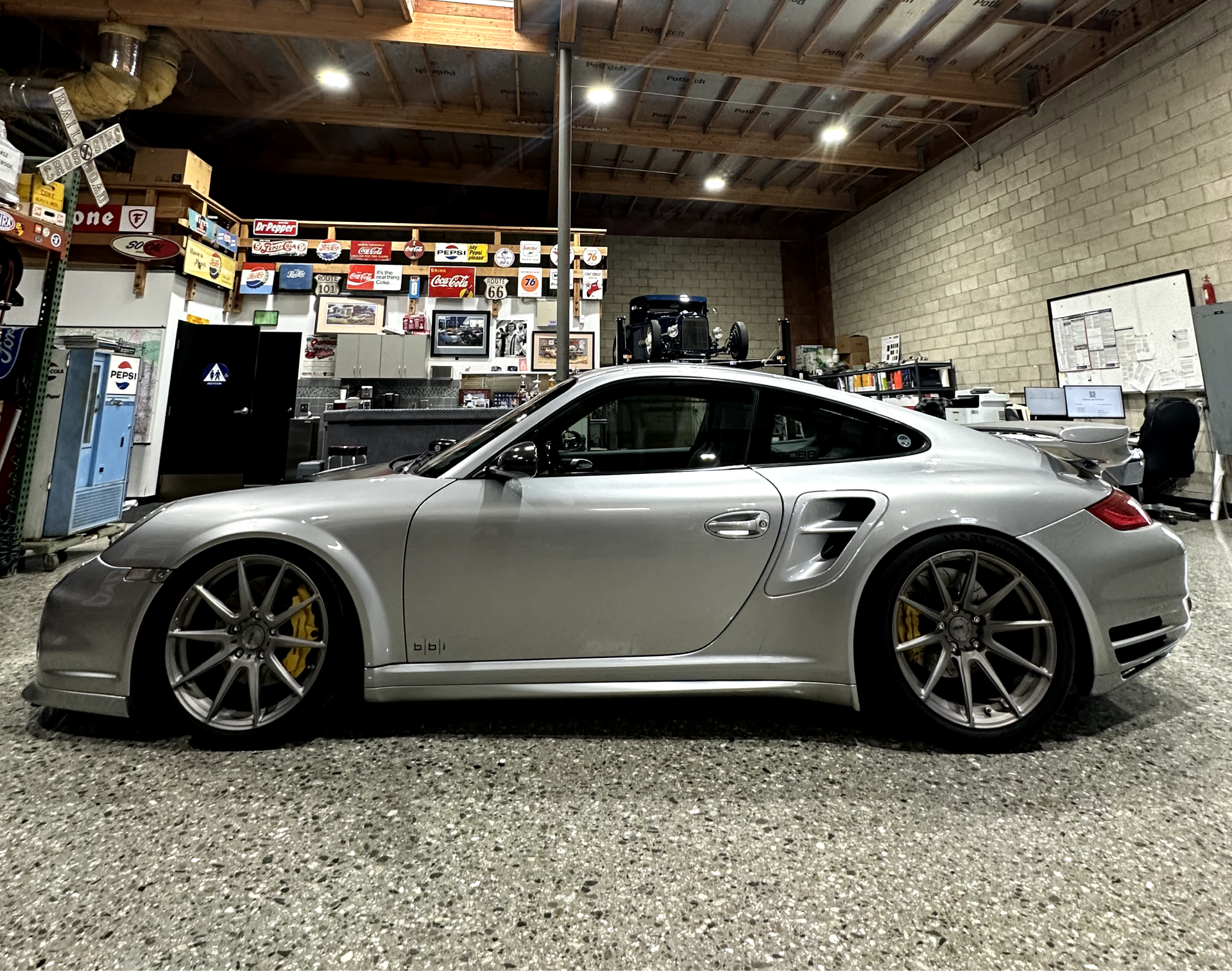
Paint Protection Film is a transparent urethane film applied directly over factory paint. Modern PPF uses thermoplastic polyurethane for flexibility and impact resistance. The film acts as a sacrificial layer, taking the damage before your original finish does. PPF stays clear while protecting high-wear panels like the hood, bumper, mirrors, and fenders.
What Does Paint Protection Film Protect Against?
PPF protects primarily against rock chips, road debris, and surface abrasion caused by highway driving, where gravel and salt hit painted surfaces at speed. It absorbs the impact from gravel and salt before the paint cracks or chips. That makes it useful on vehicles that spend hours behind trucks or in winter traffic. Highway commuting increases exposure because debris hits faster and more often, and PPF reduces the chance of visible damage on exposed painted surfaces.
What Are the Benefits and Drawbacks of Paint Protection Film?
PPF's main benefits are self-healing properties, preserved resale value, and physical impact protection; its main drawback is a cost that is difficult to recover on lower-value daily drivers.
PPF offers three core advantages for the right vehicle. The self-healing top coat repairs light swirl marks and surface scratches when heat is applied, triggered by direct sunlight, warm water, or a heat gun. Factory paint stays protected behind a sacrificial layer that absorbs rock chips and road debris before they reach the clear coat. On higher-value vehicles, the preserved paint condition directly supports a stronger resale price at appraisal.
The main drawback is cost. A full-body wrap runs $5,000 to $8,000+, which is difficult to recover on a standard daily driver with a modest resale value. The investment makes financial sense when the vehicle's value, driving conditions, or resale expectations justify the upfront spend. For lower-value commuter cars, the math rarely works out.
How Long Does Paint Protection Film Last?
High-quality PPF lasts 5 to 10 years, depending on film grade, installation quality, and UV exposure.
Harsh sunlight can make lower-grade film brittle or discolored sooner. Premium films often include 7 to 10-year warranties covering yellowing, cracking, or peeling, though not damage from poor care. Maintenance habits and installation quality ultimately determine how long PPF lasts.
How Does Installation Quality Affect Paint Protection Film?
Professional installation determines both the visual result and the long-term durability of PPF, starting with paint decontamination before the film ever touches the surface.
Before any film is applied, the painted surface must go through a full decontamination process: a thorough wash, iron fallout removal, and clay bar treatment to lift embedded contaminants. Skipping this step traps debris under the film and shortens its service life significantly. Poor installation can leave bubbles, dirt lines, and visible edges, which are easy to spot on black and silver paint. Professional installers tuck edges and align panels carefully to prevent edge lifting, because peeling edges collect dirt and shorten service life.
Installers use bulk film to cut and shape each panel on the vehicle, which allows for precise edge coverage and full-panel protection. Pre-cut template kits offer a faster installation but may leave small exposed gaps at panel edges, depending on the vehicle's body lines.
Paint Protection Film vs. Ceramic Coating
PPF and ceramic coating solve different problems: PPF stops rock chips through physical impact absorption, while ceramic coating adds a thin layer of chemical resistance and gloss.
Ceramic coating is thinner and cheaper, but it cannot absorb impact from gravel. For paint protection film versus ceramic coating, physical protection is the biggest divider. Vinyl wrap is mainly an aesthetic option that changes color or finish, but it is not built for the same protection level as PPF. PPF is thicker and engineered for impact resistance.
| Option | Main Purpose | Protection Type | Typical Cost |
|---|---|---|---|
| Paint Protection Film (PPF) | Preserve factory paint | Physical impact protection against rock chips and road debris | $1,500 to $8,000+ |
| Ceramic Coating | Add gloss and chemical resistance | Thin surface protection, not chip resistance | Usually lower than PPF |
| Vinyl Wrap | Change appearance | Aesthetic coverage, not impact protection | Varies by finish and coverage |
PPF vs ceramic coating comparisons come down to damage type. Ceramic coating helps against contamination and road film, and makes washing easier. PPF helps when the problem is impact, not chemistry.
What Coverage Options Are Available for Paint Protection Film?
PPF coverage starts with a partial front-end wrap at $1,500 to $2,500 and scales to full-body protection at $5,000 to $8,000+, with the right level depending on how and where the vehicle is driven.
A daily commuter may only need front-end coverage, while a collector car or exotic often benefits from full-body coverage. Front-end packages typically cover the hood, front bumper, fenders, mirrors, and headlights, which are the panels that absorb the most highway debris.
Who Is Paint Protection Film Worth It For?
PPF pays off most for highway commuters, luxury and collectible vehicle owners, and anyone whose resale value depends directly on original paint condition.
Highway use increases rock chip exposure, so the film prevents damage where it happens most. Original paint condition matters more for rare and exotic cars. PPF is often not worth it for standard daily drivers, as those cars rarely gain enough resale premium to recover the installation cost. The investment makes the most sense when paint condition directly affects valuation.
"In over 25 years of installing paint protection film across sedans, exotics, and collector cars, the most common mistake I see is under-covering a highway commuter. The front bumper and leading edge of the hood take the majority of rock chip damage. Skipping those panels to save on cost usually means paying for paint repair within two years." - Kyle Clark, Master Detailer, Xtreme Detailing and Ceramic Coatings
What Should You Consider Before Buying Paint Protection Film?
Buyers should evaluate coverage level, installer experience, warranty terms, and long-term maintenance requirements before committing to PPF.
Paint protection film maintenance matters because PPF needs regular washing with pH-neutral soap to preserve the top coat and adhesive layers. Automated car washes create risks: abrasive brushes and high-pressure dryers can lift film edges. Hand washing reduces that risk and keeps the surface cleaner longer.
Vehicle value should guide the decision. The right installer can make the difference between a clean investment and a costly redo.
Match the Right Coverage to Your Vehicle
Ready to protect your vehicle's paint for the long term? Send us 2 or 3 of your most recent photos of your current vehicle, and we'll put together a coverage recommendation and quote tailored to your car's condition and your driving habits, with no guesswork and no generic pricing.
Xtreme Detailing and Ceramic Coatings offers professional Paint Protection Film installation service in Rancho Cucamonga, CA, for owners who want factory paint preserved the right way.
FAQs
About the Author
The team at Xtreme Detailing and Ceramic Coatings brings over 25 years of hands-on experience, led by Master Detailer Kyle Clark. Based in Southern California's Inland Empire, their mission is to deliver unparalleled quality across paint protection film, ceramic coatings, and precision detailing for everyday vehicles, luxury cars, boats, and aircraft.
Last Updated: June 2026