
What Is PPF For Cars? Cost, Benefits & Guide
April 24, 2026
PPF (Paint Protection Film) is a transparent, impact-resistant layer that protects your car’s paint from rock chips, scratches, and environmental damage. If you’re wondering what is PPF for cars, this guide from Xtreme Detailing And Ceramic Coatings explains how it works, how much it costs, how long it lasts, and whether it’s the right protection option for your vehicle.
Key Takeaways
- PPF (Paint Protection Film) is a 6–10 mil thick TPU layer that protects your car’s paint from rock chips, scratches, UV damage, and chemical stains.
- PPF lasts 5–10 years and often includes self-healing and hydrophobic properties for easier maintenance and longer durability.
- Costs range from $600 to $9,000, depending on coverage (partial front, full front, or full body) and vehicle complexity.
- PPF provides physical protection, while ceramic coating adds chemical resistance - combining both offers the best overall protection.
- Professional installation is critical, as improper application or removal can reduce performance and damage your vehicle’s paint.
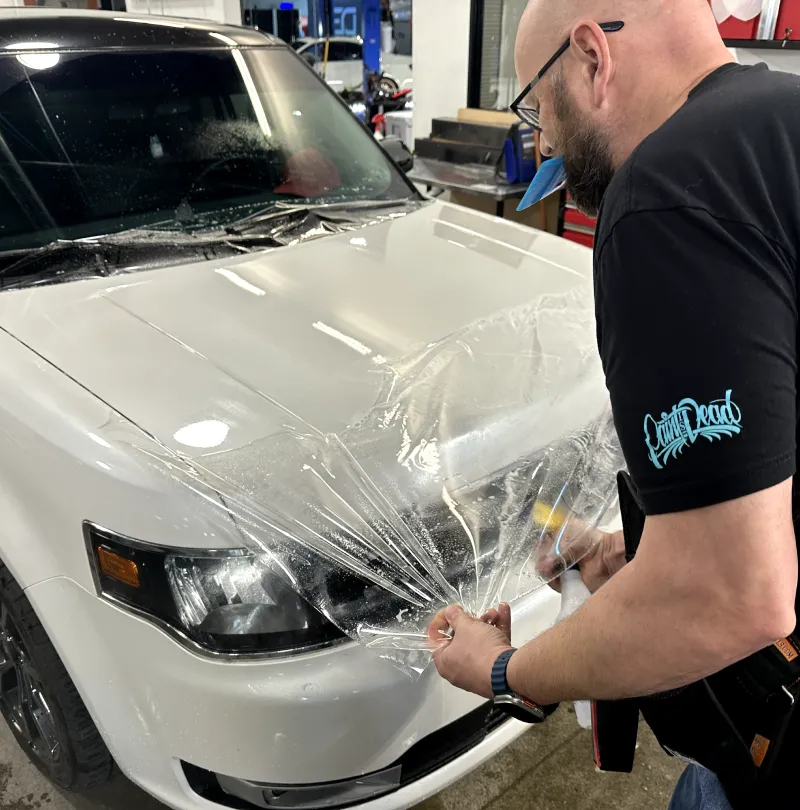
What Is PPF for Cars?
PPF (Paint Protection Film) is a 6–10 mil thick transparent thermoplastic polyurethane (TPU) layer applied to a vehicle’s paint to protect it from rock chips, scratches, UV damage, and chemical stains.
It acts as a sacrificial barrier, absorbing impact energy and preventing direct damage to the factory clear coat, which is typically only 1.5–2 mil thick. Most modern PPF systems include a self-healing elastomeric topcoat and a hydrophobic clear layer, improving scratch resistance and contaminant repellency.
How Does PPF Protect Your Car’s Paint?
Paint Protection Film (PPF) protects automotive paint through a combination of impact absorption, elasticity, and chemical resistance built into its multi-layer structure. At its core, PPF is made from thermoplastic urethane (TPU) with high elongation (often 300%+ stretch capacity), allowing it to absorb and disperse the energy from road debris, reducing or preventing paint damage from impacts such as rocks at highway speeds.
High-quality films also feature a self-healing topcoat (typically 0.5–1 mil thick) that uses heat-activated polymer reflow. This allows light scratches and swirl marks to disappear when exposed to heat, usually around 120–140°F (49–60°C) from sunlight or warm water. In addition, a hydrophobic surface layer with low surface energy (contact angles 90°+) helps repel water, dirt, and contaminants, making the vehicle easier to clean and less prone to staining.
What Are The Benefits And Limitations Of PPF?
PPF provides strong physical protection against damage, but its performance depends on film quality and installation.
Key Benefits Of Paint Protection Film:
- Stops rock chips and road debris damage
- Resists scratches and swirl marks
- Preserves factory paint and resale value
- Makes cleaning easier with hydrophobic properties
- Often backed by 5–10 year warranties
Limitations To Consider About Paint Protection Film:
- Lower-quality films may yellow or degrade over time
- Poor installation can cause peeling or visible edges
- Higher upfront cost compared to wax or sealants
- Does not provide the same level of chemical resistance as ceramic coating
Where Should You Apply PPF To Your Vehicle?
PPF should be applied to high-impact areas where paint damage is most likely to occur.
Common high-risk zones include:
- Front bumper and hood
- Side mirrors and fenders
- Door edges and handles
- Rocker panels and lower panels
A partial front package protects these areas at a lower cost, while full-body PPF covers all painted surfaces for maximum protection and uniform appearance. For daily drivers on highways, a full front package is commonly recommended - hood, bumper, fenders, mirrors, and A-pillars - as these areas absorb the majority of road debris impact.
Gloss vs Matte PPF - Which Finish Should You Choose?
Most car owners don't realize PPF comes in two finish options: gloss and matte.
- Gloss PPF enhances your paint's shine and is the most common choice. It's virtually invisible on factory gloss paint and maintains the vehicle's original appearance.
- Matte PPF is designed for vehicles with factory matte paint or owners who want to convert a gloss finish to a satin/matte look without a permanent wrap. It protects the surface while preserving or creating a flat finish.
| Finish | Best For | Maintenance | Cost Difference |
|---|---|---|---|
| Gloss PPF | Factory gloss paint | Standard | Base price |
| Matte PPF | Matte paint or satin conversion | Slightly higher | +10–20% premium |
Note:
Matte PPF cannot be polished - any surface scratches that exceed the self-healing threshold will require section replacement.
How Long Does PPF Last?
PPF typically lasts 5 to 10 years, depending on film quality, environment, and maintenance. Understanding the lifespan of PPF helps set realistic expectations, especially since vehicles exposed to harsh sunlight or extreme climates may see shorter durability, while garage-kept and well-maintained vehicles can reach the upper end of that range. Regular washing and protective toppers help extend its lifespan.
How Much Does PPF Cost?
PPF costs range from $600 to $9,000, depending on coverage level, vehicle size, and film quality.
| Package | Price Range | Coverage |
|---|---|---|
| Partial Front | $600–$1,500 | Bumper, hood edge, mirrors |
| Full Front | $1,200–$3,000 | Entire front end |
| Full Body | $5,000–$9,000 | All painted surfaces |
Larger vehicles and complex body shapes increase labor time, which significantly impacts pricing.
Why Professional Installation Matters
Proper PPF installation is critical because poor application can reduce protection and damage your vehicle’s paint.
Professional installers ensure:
- Clean, seamless edges
- Proper adhesion without bubbles
- Accurate coverage on complex panels
Improper removal can also damage the clear coat, making professional service essential for both installation and removal.
PPF vs Vinyl Wrap vs Ceramic Coating: What’s the Difference?
PPF (paint protection film), vinyl wrap, and ceramic coating serve different purposes, with PPF focused on protection, vinyl wrap on appearance, and ceramic coating on gloss and maintenance.
| Feature | PPF (Paint Protection Film) | Vinyl Wrap | Ceramic Coating |
|---|---|---|---|
| Primary Purpose | Physical protection (chips, scratches) | Color/style change | Surface protection & gloss |
| Typical Cost | $1,500 to $5,000+ | $2,000 to $6,000 | $600 to $3,500 |
| Durability | 5 to 10 years | 3 to 7 years | 3 to 7+ years |
| Protection Level | High (impact-resistant) | Low (cosmetic only) | Moderate (chemical & UV resistance) |
| Appearance | Invisible or slight gloss | Full color/custom finish | Enhances original paint gloss |
| Maintenance | Low to moderate | Moderate | Low |
| Best Use Case | Long-term paint protection | Style and customization | Easier cleaning and shine |
In short, choose PPF for maximum protection, vinyl wrap for changing your car’s look, and ceramic coating for long-lasting shine and easier maintenance.
Should You Combine PPF With Ceramic Coating?
Yes, combining PPF with ceramic coating improves overall protection by covering both physical and chemical damage. PPF protects against rock chips and scratches, while ceramic coating adds water repellency and chemical resistance. Together, they create a more complete protection system.
How To Maintain PPF On Your Car
Proper maintenance extends PPF lifespan and preserves its protective properties.
- Wash every 1–2 weeks using pH-neutral soap
- Use microfiber mitts and towels to avoid scratches
- Remove contaminants like bird droppings within 24 hours
- Avoid automatic brush car washes
- Apply sealant or ceramic topper every 12–24 months
- Do not wax the edges of PPF panels - wax buildup along film edges causes lifting and peeling over time
- For matte PPF, never use gloss-enhancing products or polishes - use only matte-safe detailing sprays
Consistent care helps maintain clarity, durability, and warranty coverage.
Is PPF Worth It?
PPF is worth it if you want long-term paint protection, especially for new, high-value, or daily-driven vehicles.
- New cars benefit from paint preservation and resale value
- Daily drivers reduce long-term repair costs
- High-mileage vehicles benefit from front-end protection
Avoiding even one major paint repair can offset the cost of partial PPF. A single bumper repaint in California typically costs $800–$1,500. A partial front PPF package at $600–$1,500 often pays for itself after preventing just one impact. For high-value vehicles, full-body PPF at $5,000–$9,000 is a direct investment in resale value - protected factory paint commands significantly higher prices on the used car market.
Find A Professional PPF Installer For Your Vehicles
Choosing the right PPF installer ensures proper protection, durability, and finish quality. Look for shops that use high-quality films with strong warranties, provide clear itemized quotes, and perform thorough surface preparation. Experienced installers deliver clean edges and proper alignment, while also explaining coverage options, maintenance, and warranty terms so you know exactly what to expect.
If you're located in Rancho Cucamonga, Xtreme Detailing and Ceramic Coatings offers professional PPF installation tailored to your vehicle, ensuring proper coverage without over- or under-protection.